Minimalism is often mistaken for emptiness. Done well, it is the opposite: a home where everything left in the room is there because it is useful, beautiful or loved. Here is how we approach it.
Edit before you design
Keep what you use and what you love; let the rest go. Minimalism starts with a decision about your things, not with a shopping list.
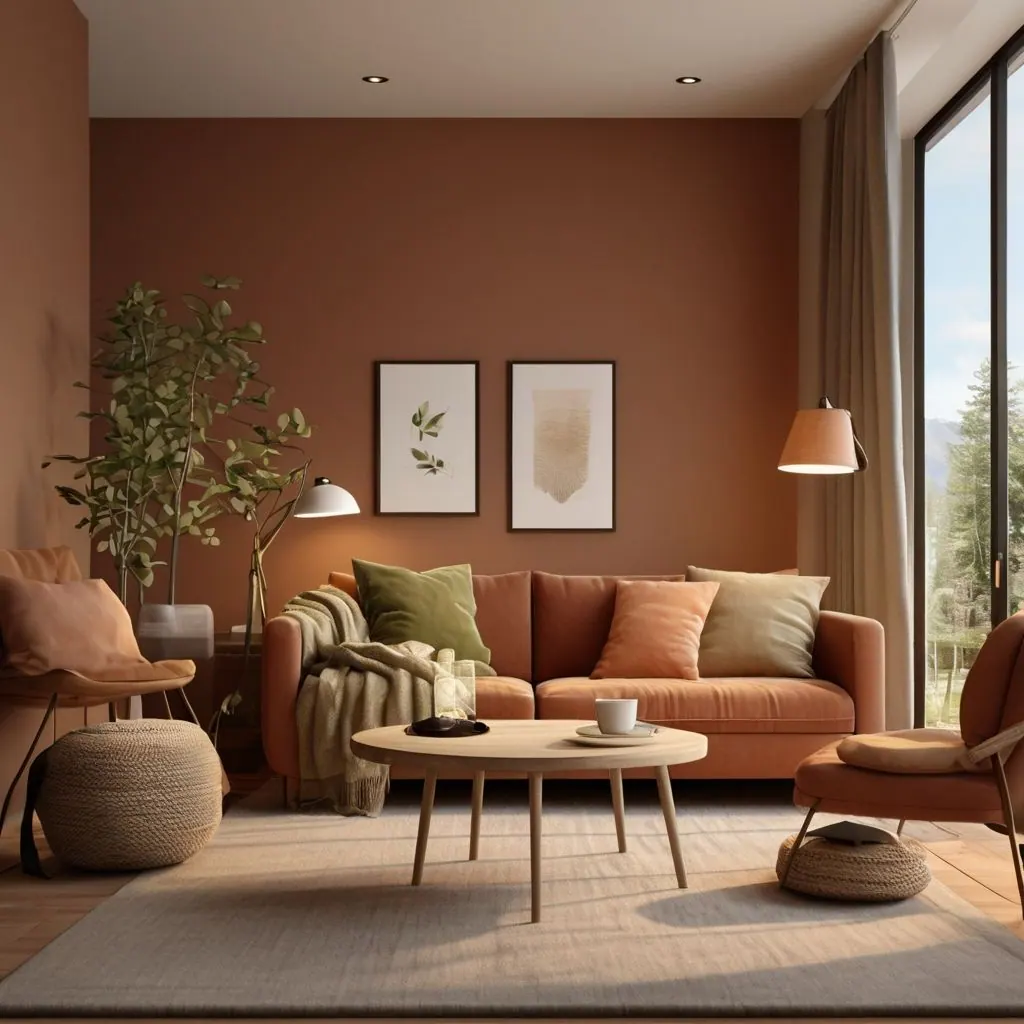
Choose warmth over white
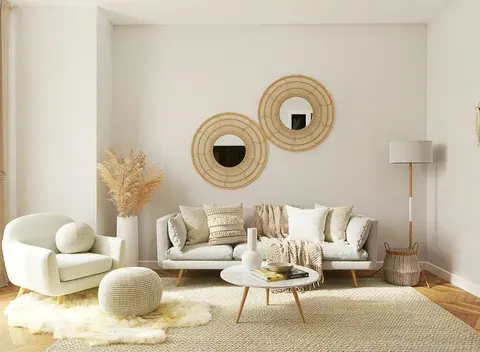
A neutral palette of bone, oak and stone feels calm without feeling clinical. Vary the textures within one tone to keep the room alive.
Buy fewer, better pieces
One well-made sofa will outlast three cheap ones. Quality over quantity is kinder to the room, the budget and the planet.
Build storage in, not on
Full-height, flush cupboards swallow the everyday so surfaces stay clear. Good minimalism is mostly good joinery.
Protect open space
Leave room around furniture and keep pathways generous. Empty floor and wall are part of the composition.
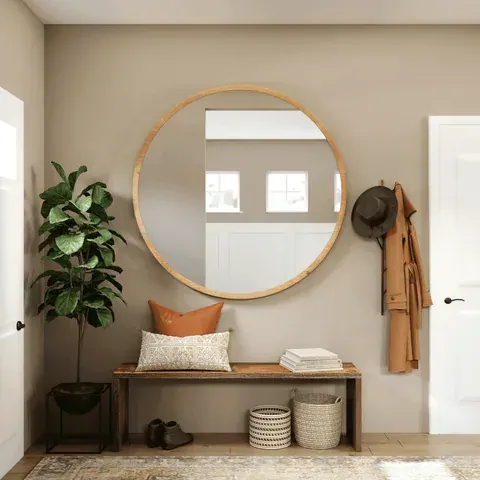
Keep a few meaningful objects
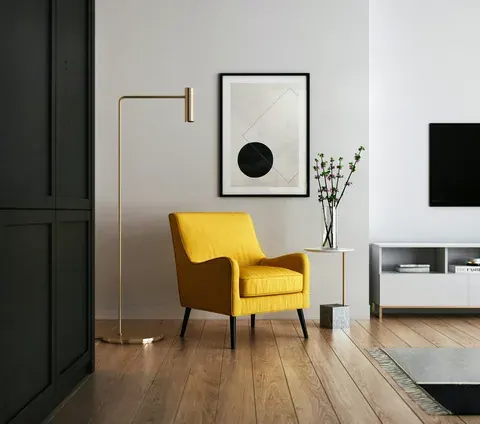
A single artwork, a bowl you love, a plant. With less competing for attention, each piece you keep matters more.
Minimalism is a way of living with intention. If you would like a calm, uncluttered home that still feels warm, we would be glad to help you design it.